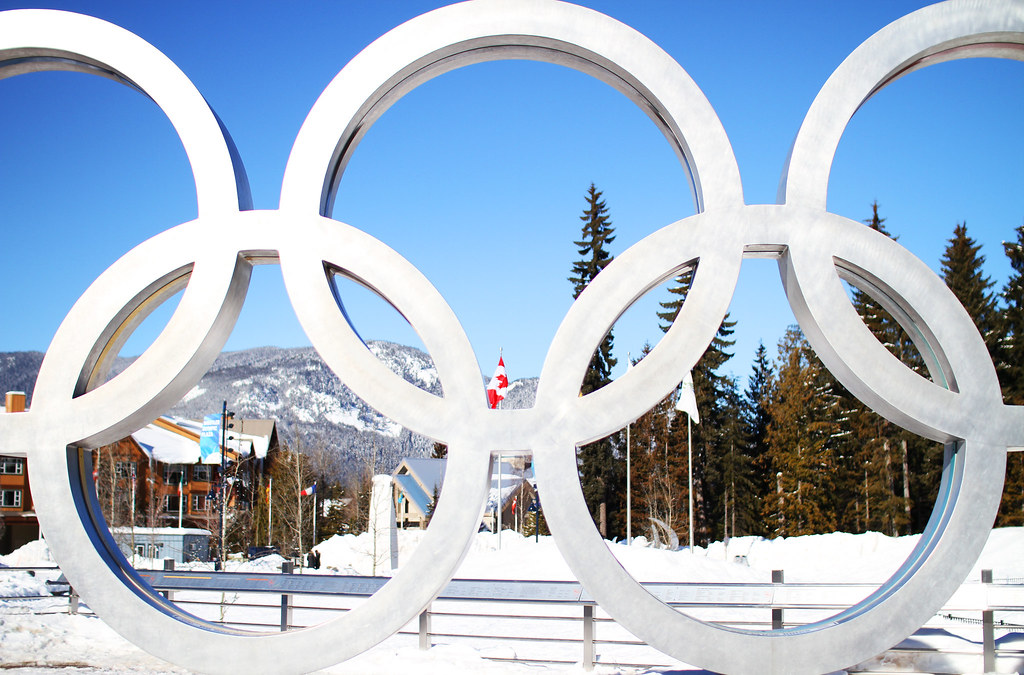
The Milano–Cortina 2026 Winter Olympics sprang to life on February 6 at San Siro, Milan’s fabled football cathedral, where Italy orchestrated a three-hour-plus spectacle of urban-meets-alpine harmony; dancers flowing from cityscapes to snowcaps, Giacomo Leopardi’s L’infinito recited for that poetic punch, and live feeds from Cortina, Livigno, and Predazzo turning the Parade of Nations into a nationwide party. Nearly 3,000 athletes from 93 nations marched in, President Sergio Mattarella declared the Games open, and ski legends Alberto Tomba, Deborah Compagnoni, and Sofia Goggia lit twin cauldrons amid Andrea Bocelli’s soaring notes, Mariah Carey’s powerhouse set, and fireworks that lit up the Lombard sky. It’s 16 days of snow-dusted drama through February 22, cleverly reusing Cortina’s 1956 venues in a sustainability play that nods to smarter Olympic hosting, less concrete jungles, more legacy magic.
For Service Break readers, students juggling lectures, young athletes grinding sessions, and sports media sharp-shooters; this guide cuts through the 200-event blizzard. We’ve mapped the geographic sprawl, spotlighted the medal magnets and comeback kings, tossed in village quirks (Snoop Dogg included), and plotted your low-effort watch plan. Because the Olympics reward the smart scroller, not the all-nighter.
Venues: Italy’s Regional Road Trip, City Ice to Peak Peril
Milano-Cortina rejects the tidy Olympic bubble, flinging events across hundreds of kilometres from Milan’s sleek ice halls to Dolomite razorbacks- part logistics puzzle, part deliberate flex of Italy’s split personality. San Siro anchors the urban pulse: opening ceremony central, now alive with figure skating’s glittering routines, short-track speed skating’s high-stakes dodges, and ice hockey’s end-to-end warfare, all under the hum of city energy and packed stands.
Cortina d’Ampezzo, dusted off from its 1956 glory days, channels classic winter soul, alpine skiing carving through slalom gates or bombing downhills, sliding tracks unleashing bobsleighs, luges, and skeletons at 130km/h clips, curling’s precise stone artistry on indoor ice, all framed by peaks that demand a double-take. Bormio and Livigno ramp the rush with super-G velocity and downhill daring, plus freestyle skiing and snowboarding’s halfpipe launches, slopestyle lines, and big-air sends that flood social feeds. The high-endurance cluster at Antholz/Anterselva, Predazzo, and Tesero tackles biathlon’s ski-shoot tension, ski jumping’s airborne ballets, Nordic combined’s jump-to-chase relays, and cross-country’s relentless terrain grinds.
Verona steals the finale with its Roman amphitheatre hosting the closing ceremony, a nod to ancient spectacle for modern send-off. Milan delivers the crowds and cool; the mountains, the speed and solitude. It’s Italy serving contrast on a silver platter.
Opening Ceremony: Armonia in Full Italian Glory
Armonia– harmony between Milan’s bustle and Alpine wilds, unfolded as San Siro’s stage for dancers blending skyline silhouettes into snowy expanses, Leopardi’s timeless verse, and remote broadcasts amplifying 93 nations’ entries. Twin cauldrons blazed in Milan’s Arco della Pace and Cortina’s Piazza Dibona, ignited by Tomba, Compagnoni, and Goggia, with Bocelli and Carey elevating the pomp to operatic heights before fireworks sealed the deal. Critics dubbed it “Eurovision in a stadium”—lavish, heartfelt, and defiantly Italian.
The 16-Sport Lineup: From Elegant to Edge-of-Your-Seat
Action revs February 8, daily medals stacking afternoons and evenings, weekends bursting with alpine showdowns, sliding finals, and freestyle flair; curling and hockey tournaments simmer across the full stretch for reliable drama.
Snow events test the hills: Alpine skiing shifts from slalom’s surgical turns to downhill’s heart-in-mouth speeds; cross-country endures hour-plus races at peak effort; biathlon marries ski sprints to rifle steadiness (misses cost penalty loops); Nordic combined flows from jumps to pursuits; ski mountaineering debuts blending uphill toil with downhill reward.
Ice demands nerve: Long-track speed skating spans oval sprints to marathons; short track thrives on pack tactics and inevitable spills; bobsleigh surges past 120km/h post-push (monobob shining); luge glides feet-first via subtle shifts; skeleton dives headfirst, inches from the freeze.
Freestyle and judged steal the spotlight: Snowboard and freestyle skiing craft halfpipe revolutions, slopestyle statements, big-air statements; figure skating dazzles with quad jumps, pair lifts, and dance finesse across formats. Ice hockey fuels team fire for men and women; curling crafts strategy from stone paths; ski jumping marries distance to form.
Olympic Village Vibes: Flags, Feasts, and Famous Cameos
Village life lightens the load; the USA draping a massive Stars & Stripes on their building (clearly marked, lest they wander into pasta paradise), kit unboxings racking views, tiramisu trays emptied pre-medals (Italy’s cheeky fuel-up), pin trades sparking mini-diplomacy. Snoop Dogg upped the ante as Team USA’s honorary coach, carrying the torch through Milan, surprising snowboarders at arrivals, hyping San Siro, and sweeping into a Cortina curling match to celebrate a win broom-in-hand.
Medal Favorites: The Ones to Back Blind
Norway’s blueprint rules biathlon, cross-country, ski jumping; USA eyes figure skating and snowboard lockouts; Germany grips sliding; Netherlands circles speed ovals; Italy chases home alpine dreams. Pencil in Mikaela Shiffrin for slalom gold and records, Chloe Kim’s halfpipe hold, Jordan Stolz’s speed haul, Nika Prevc’s ski jump crown.
Comeback Tales: Grit Over Setbacks
Milano-Cortina 2026 shines brightest for athletes who have endured the unthinkable and returned stronger, their every run a testament to unyielding resolve. Foremost among them is Lindsey Vonn, the American downhill legend who retired in 2019 after years of knee hell, including a 2013 surgery, a 2014 partial ACL tear sidelining her from Sochi, and a 2018 cartilage chunk dislodging mid-PyeongChang. She staged an epic comeback following a 2024 partial titanium knee replacement on her right leg that finally eased chronic pain. At 41, she was primed for Milan when disaster revisited: a January 30, 2026, crash in Crans-Montana, Switzerland, ruptured her left ACL with bone bruising and meniscus damage. Yet she powered through training runs, declared herself fit, and lined up for February 8 downhill, defying medical norms in pursuit of one last Olympic medal.
Echoing her grit is Mikaela Shiffrin, Vonn’s heir in American alpine dominance, who survived a 2024 Killington crash where a gate impaled her abdomen, sparking PTSD and months off. She now focuses laser-like on slalom gold and all-time records in a pared-back program. Alysa Liu, the teenage U.S. figure skating phenom, walked away at 16 post-Beijing 2022 bronze amid burnout, took two years off, including a Mt. Everest base camp trek for clarity, before reclaiming world supremacy and eyeing Milan golds with fresh hunger. Italy’s pairs duo Sara Conti and Niccolò Macii gutted out Conti’s December 2025 knee ligament tear mere weeks before Worlds, rehabbing furiously with costume tweaks to chase home-medal magic.
These sagas, Vonn’s double-knee apocalypse defied, Shiffrin’s trauma conquered, Liu’s joy reclaimed, Conti-Macii’s deadline dodge, elevate Milano-Cortina beyond sport into raw human theater where the course becomes confessional.
UK Viewing: Effortless Access
BBC hands free entry; One/Two majors 9am-10pm (Irvine, Kwakye, Balding guiding);
iPlayer Extra streams 8am-11pm, clips everywhere.
TNT Sports/Discovery+ (£30.99/mo) floods 850+ hours from 8am on TNT Sports 2.