Wimbledon 2026 arrives one year on from Service Break’s founding, and the feeling this year is very real: a little excitement, a little FOMO, and a lot of curiosity about where the sport is heading. The Championships are still the biggest stage in tennis, but this year’s draw has a different feel: fewer household names at the very top, more unfamiliar faces, and a growing sense that new stars are waiting to break through.
That shift is not necessarily a bad thing. In fact, it is part of what makes Wimbledon interesting right now. The tournament has always had room for surprises, but 2026 feels especially open. For fans, that means more unknown players to discover, more unpredictable matches, and more chances to watch someone build a name in real time rather than arrive already fully established.
A tournament with fewer obvious names
One of the biggest talking points around Wimbledon 2026 is the reduced certainty around the sport’s biggest names. Whether it is injury, scheduling, retirement, or changing priorities, the sense is that the old guard is not dominating the conversation in the same way. That creates space for a new generation to step forward.
Players like Jannik Sinner, Coco Gauff, Naomi Osaka, and Serena Williams have shaped the way many people watch tennis, either through current success or lasting legacy. When names like these are central to a tournament, the story feels more immediate for casual fans. When they are missing, quieter or less familiar players get the room to take over the narrative.
That is part of what makes this Wimbledon feel so different. The focus is not just on the obvious stars, but on the players who have arrived with less noise and more intent. It gives the tournament a less predictable, more open feel- and in a sport as unforgiving as tennis, that openness matters.
Why the unknowns matter
The number of unfamiliar players at Wimbledon is part of what makes the event feel fresh. Grass court tennis has always rewarded boldness, adaptability, and belief, which means new names can emerge quickly if they find form at the right time. That unpredictability gives the tournament its edge.
For a fan, this can actually be more fun than a neatly scripted event. You get to discover players before everyone else does. You get the feeling that you are watching careers begin, not just watching reputations be defended. And if you love sport because of the stories behind it, Wimbledon is one of the best places to find them.
That is especially true in 2026, when the field feels wider and more open than usual. Some players arrive with a reputation already attached; others arrive as a blank page. Wimbledon is one of the few events where the blank page can become the more interesting story.
Djokovic and Félix steal the spotlight
If Wimbledon needed a reminder of why it still commands attention, Djokovic and Félix Auger-Aliassime delivered it in the most dramatic way possible. Their five-hour, 15-minute quarter-final was the kind of match that turns into instant tournament folklore- brutal, absorbing, and impossible to look away from.
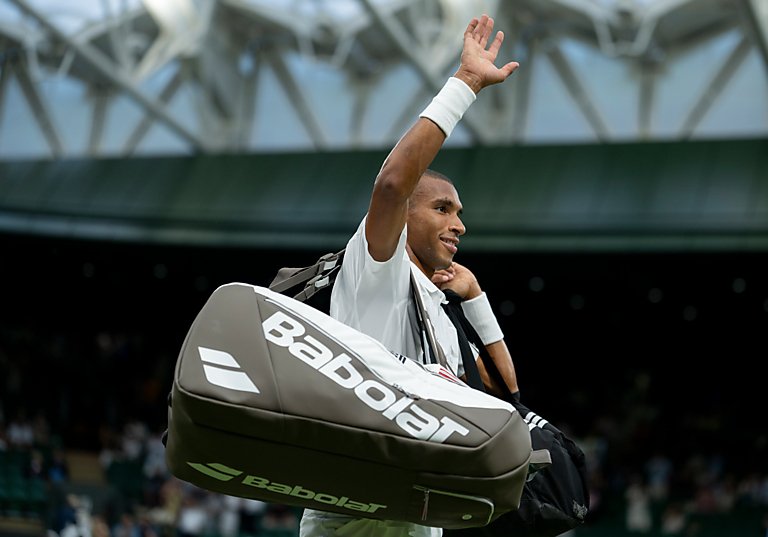
Djokovic’s victory over Félix was more than just another win. It was a statement about endurance, timing, and the strange way Wimbledon rewards players who can survive the hardest nights. The match became the longest Wimbledon men’s quarter-final in history, and it had the feeling of a contest played on the edge of exhaustion, with neither player giving an inch. In the end, Djokovic found a way through, and the result only sharpened the sense that he is still capable of bending major tournaments to his will.
That match also mattered because it gave the fortnight a proper centre of gravity. In a year with fewer obvious headline names dominating the conversation, a contest like that cuts through the noise. It reminds everyone that Wimbledon can still produce the kind of theatre that defines a summer, even when the draw itself feels more open than usual.
What it means for fans
This is where the FOMO comes in. Wimbledon 2026 feels like one of those tournaments where anything can happen, and that makes every session feel worth checking in on. If you are not following closely, you might miss the player who suddenly becomes the story of the fortnight.
That is especially true this year because there is no single name carrying the entire event. Instead, the draw feels more open and more balanced, which means fans need to pay attention across the board. The headline match might not always involve the biggest star, it could be the breakout performance from someone you have barely heard of before.
That is also what makes the tournament feel more alive. Instead of waiting for a fixed script to play out, every round feels like it could shift the direction of the Championships. One upset, one five-set battle, one unexpected run, and suddenly the entire conversation changes.
How to watch Wimbledon 2026
The best way to watch Wimbledon 2026 depends on where you are in the world, but the tournament is usually available through the official Wimbledon broadcast partners and streaming services in each region. In the UK, BBC coverage is traditionally the main way to follow the Championships, while other countries have their own TV and streaming rights holders.
If you want the fullest experience, check the official Wimbledon website and your local sports broadcaster for:
- live match schedules.
- court-by-court coverage.
- highlights.
- interviews.
- and streaming options.
If you are trying to keep up with the unknown players and the major storylines, following the tournament live on social media and checking daily results is also a good idea. That is often the quickest way to catch surprise results and breakout runs as they happen.
For a tournament like this, watching live matters more than ever. Wimbledon 2026 is not the kind of event that politely waits for you to catch up; it moves fast, and the story can change from one day to the next.
Why Wimbledon still matters
Even in a year where the draw feels less star-heavy, Wimbledon remains Wimbledon. The grass, the history, the pressure, and the stage still make it one of the most important tournaments in sport. The difference in 2026 is that the story feels less about defending familiar names and more about seeing who is ready to take over.
That makes this edition feel especially interesting from a narrative point of view. You have the weight of history on one side, and the uncertainty of a shifting era on the other. You have Djokovic still producing epic nights, Sinner carrying the pressure of expectation, and players like Gauff and Osaka keeping the tournament connected to the present and the future. You also have the sense that someone less expected could still walk out of Wimbledon with a new level of recognition.
For Service Break, that is exactly the kind of atmosphere worth paying attention to. Wimbledon is not just about who arrives with the biggest reputation. It is about who can turn one tournament into a defining moment.